Forget the idea that online cooking means hitting play on a YouTube tutorial and hoping for the best. A virtual cooking class is a live, interactive culinary session where you cook in real time alongside a professional chef via video conferencing. You ask questions, get immediate feedback, and actually finish the session with a dish on the table. Whether you want to sharpen your knife skills at home, celebrate with friends across time zones, or pull off a memorable team-building event for your remote staff, virtual cooking classes deliver something passive video never can: genuine connection and skill that sticks.
| Point | Details |
|---|---|
| Live, not prerecorded | Virtual cooking classes happen in real time, with chef feedback and Q&A built into every session. |
| Fully customizable | Skill levels, dietary needs, and group sizes can all be tailored before the class begins. |
| Great for teams | Shared culinary challenges build collaboration and communication in remote groups. |
| Preparation is everything | Completing mise en place before class starts is the single biggest factor for a smooth experience. |
| Wider access for all | Anyone with a screen, a kitchen, and an internet connection can participate, regardless of location. |
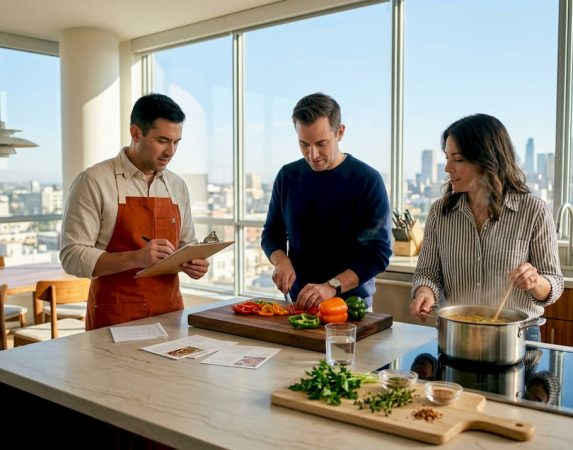
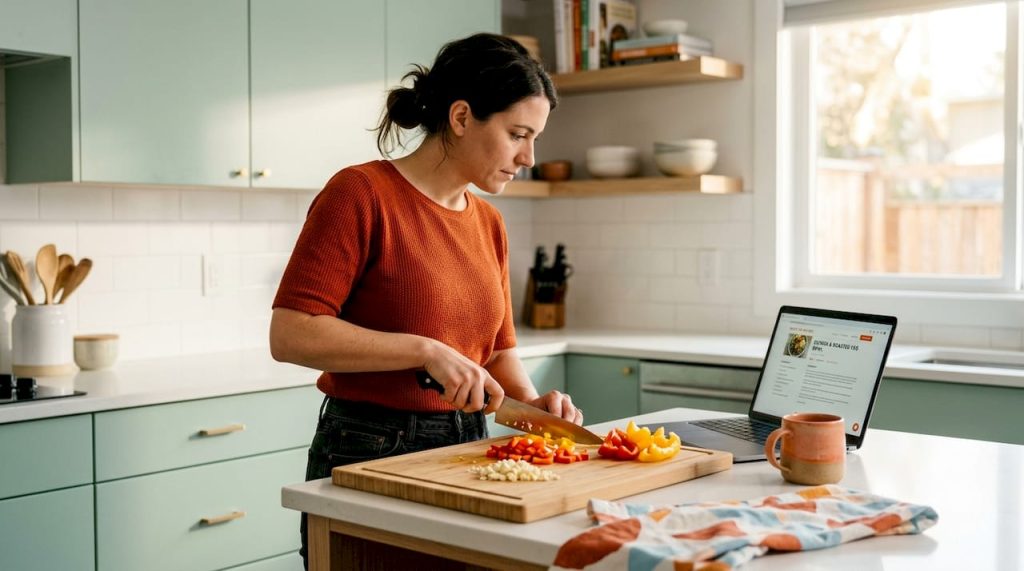
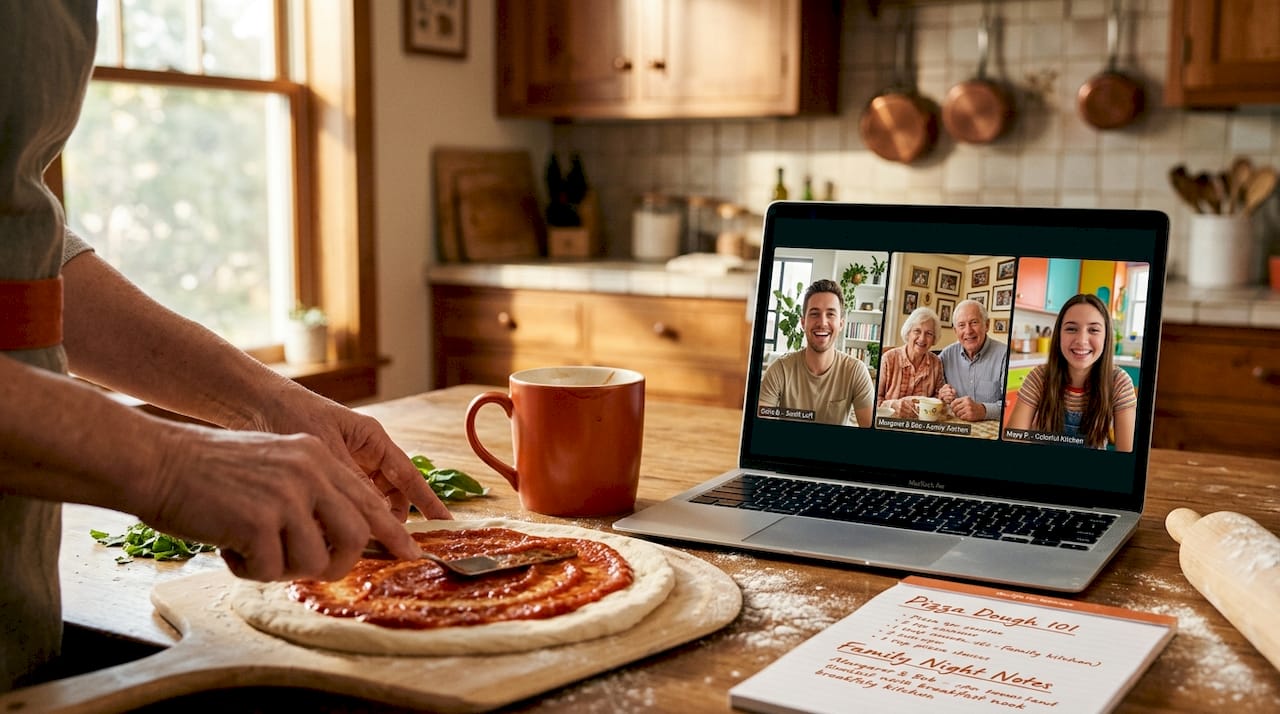
A virtual cooking class is a live, interactive session via platforms like Zoom or Google Meet where you cook alongside a chef in real time. The chef guides you step by step, demonstrates each technique on camera, and responds to your questions as you go. It is nothing like watching a cooking show. You are actively participating, chopping, sautéing, and plating at the same pace as the instructor.
Sessions typically run anywhere from 60 to 150 minutes, depending on the complexity of the menu and the format of the class. Class sizes range from intimate one-on-one lessons to groups of 50 or more for corporate events. The defining feature across all formats is that two-way interaction. You can ask why a technique works, request a slower demo, or flag a substitution on the spot.
Here is what typically happens inside a session:
Pro Tip: Join the video call five minutes early to test your audio and camera angle. Position your device so the chef can see your cutting board if you want hands-on feedback during the session.
One of the biggest surprises for newcomers is just how much a virtual cooking class can be tailored to fit your needs. Menu selection, skill level, dietary restrictions, and even cultural cuisine focus are all on the table before a single ingredient gets chopped.
Here is how to make any class work for your specific situation:
The geographic accessibility angle is genuinely significant here. A family spread across three states can share the same cooking experience together without anyone boarding a flight. Corporate teams with remote employees in different countries can participate in the same session without the logistics of a physical venue.
Pro Tip: If you are organizing a class for a group with mixed dietary needs, send a single shared dietary form to all participants before registering. Submit it as one consolidated request to the instructor to avoid confusion.
Not all cooking education is created equal. Here is how virtual cooking classes stack up against the most common alternatives.
| Learning method | Interaction level | Flexibility | Cost range | Skill retention |
|---|---|---|---|---|
| Virtual cooking class | High (live, two-way) | High (cook from home) | $30 to $150 per session | Strong with practice |
| Prerecorded video | None | Very high (on demand) | Free to low cost | Moderate |
| In-person cooking class | Very high (hands-on) | Low (fixed schedule, travel) | $75 to $300 per session | Strongest |
| YouTube tutorial | None | Very high | Free | Low without guidance |
The clearest advantage a virtual class holds over passive video is that real-time feedback builds confidence in a way that rewatching a tutorial simply cannot replicate. When you deglaze a pan wrong and the chef corrects your technique on the spot, that lesson sticks. When you watch someone do it on YouTube, you may not even realize you made an error.
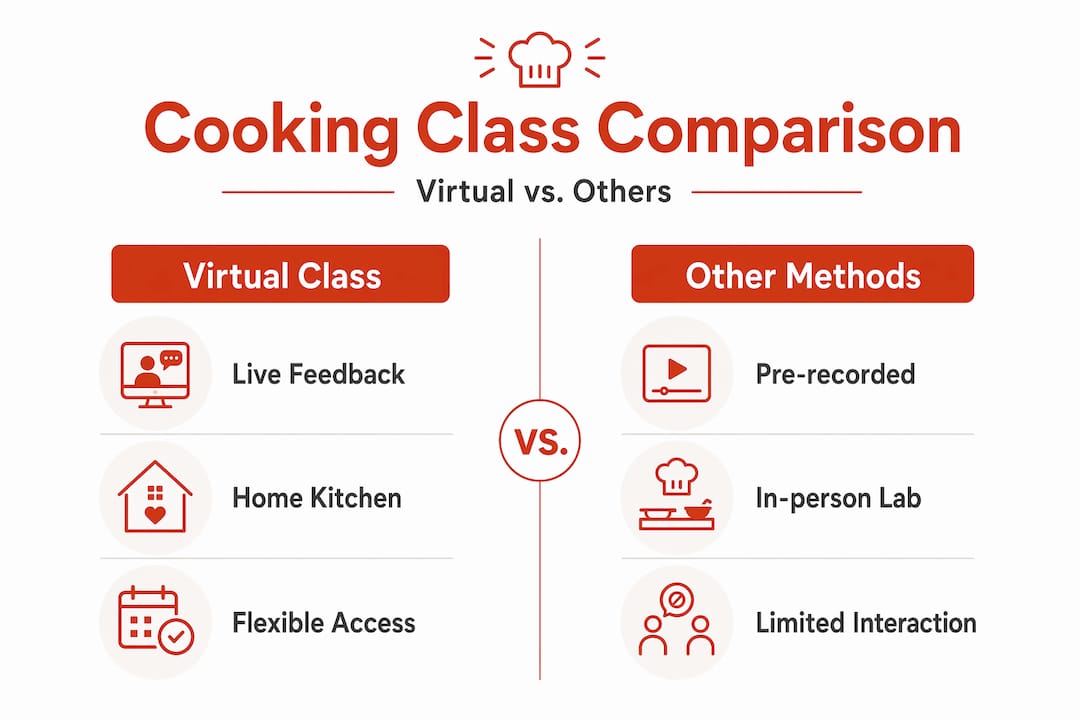
In-person classes do win on tactile experience. There is no digital substitute for a chef physically repositioning your knife grip. But virtual classes remove every logistical barrier that prevents people from attending in-person sessions consistently: commute, parking, fixed start times, and geographic access. For most home cooks, the consistency of being able to attend regularly from their own kitchen outweighs the occasional hands-on advantage of an in-person workshop.
Virtual cooking classes serve a surprisingly wide range of people and purposes. The format is not one-size-fits-all, and that is exactly why it works so well.
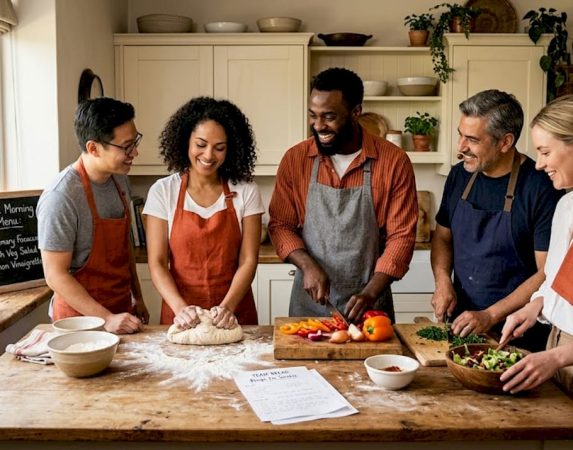
What ties all these use cases together is the live interaction. It transforms cooking from a solo activity into a shared experience, even when participants are hundreds of miles apart.
Getting the most out of any virtual cooking class comes down to preparation. The actual cooking is the easy part when you show up ready.
Pro Tip: Clamp your phone or tablet to a stand positioned slightly above your workspace, angled down toward your cutting board. This setup frees your hands completely and lets you see the chef clearly without adjusting the device during the session.
I have seen a lot of people walk into their first virtual cooking class expecting a slightly better YouTube video, and walk out genuinely surprised by how much they got from it. The live format does something that nobody warns you about: it makes you accountable in the best way. You cannot skip ahead, rewind, or quietly move on when you miss a step. You are in the moment, and that pressure, light as it is, sharpens your focus.
What I have learned over time is that the people who struggle most in these sessions are the ones who skipped their prep work. They log on, the chef starts demonstrating, and within ten minutes they are behind and frustrated. The solution is so obvious and so often ignored: do the mise en place.
The other thing that genuinely surprised me is the social dimension. I have watched remote corporate teams who barely spoke during regular video meetings suddenly come alive during a culinary challenge. Something about cooking together, even virtually, lowers the usual professional guard and creates real conversation. That is not something you get from a trivia night or a virtual happy hour.
My recommendation for anyone considering a virtual cooking class is to start with a chef-led culinary event designed for groups rather than a solo tutorial. The energy of cooking alongside others, even through a screen, pushes your engagement to a completely different level.
— David
If this article has you ready to get behind the stove, Recipeforsuccess is the place to start. Their chef-led culinary team-building programs are designed specifically for groups who want more than a passive experience. Every session is fully customizable, from menu selection and skill level to dietary accommodations and team size.
Whether you are planning a corporate team event, a private celebration, or a creative social activity for a remote group, Recipeforsuccess brings professional chefs and real culinary energy to your screen. Their programs are built to get people engaged, laughing, and genuinely collaborating. You can also explore food-based team building to see how cooking activities translate directly into stronger workplace communication and collaboration. Reach out to Recipeforsuccess today and start cooking up something memorable together.
A virtual cooking class is a live, interactive culinary session where participants cook alongside a professional chef in real time via video conferencing platforms like Zoom or Google Meet. Unlike prerecorded videos, these sessions include direct feedback, Q&A, and pacing adjustments based on the group’s needs.
Most sessions run between 60 and 150 minutes depending on the menu and class format. Corporate team events often fall in the 90-minute range to balance engagement with schedule constraints.
Virtual cooking team building is a structured culinary activity where remote or hybrid teams cook together online, guided by a professional chef, to build collaboration, communication, and team cohesion through a shared challenge.
No. Most virtual cooking classes are designed for home kitchens with standard equipment. Your provider will send a required tools list in advance so you can confirm you have everything before the session begins.
Yes. Most instructors welcome requests for ingredient substitutions and dietary modifications when communicated at least 48 to 72 hours before the class, maintaining inclusivity for diverse dietary needs.