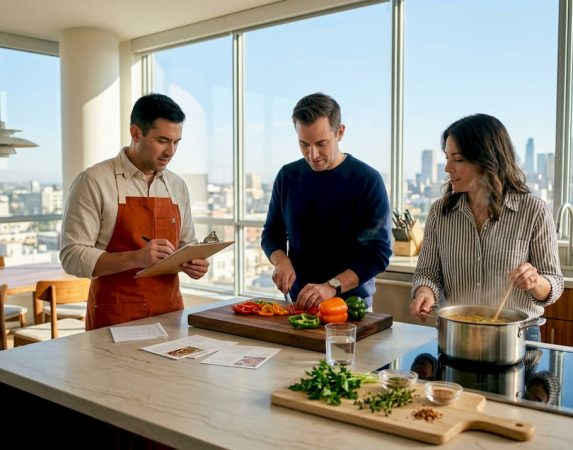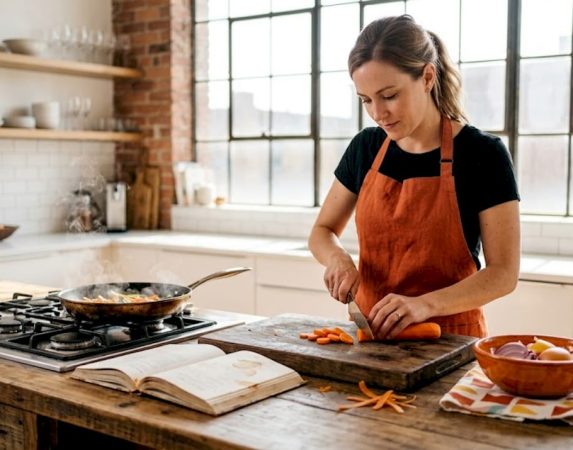
If you have ever wondered what are interactive cooking classes and how they differ from watching a cooking show or following a YouTube tutorial, you are not alone. The confusion is understandable. A lot of people assume any cooking content counts as a class. It does not. Interactive cooking classes put you in the kitchen, hands on ingredients, with a real chef guiding every step. Whether you join in person or online, you cook, taste, and learn in real time. For individuals building skills and teams looking to connect, these experiences hit differently than anything passive ever could.
| Point | Details |
|---|---|
| Active participation is the core | Interactive classes require you to chop, sauté, and plate, not just watch. |
| Formats work in person and online | Virtual classes use platforms like Zoom with live Q&A, polls, and guided steps. |
| Teams benefit beyond skill building | Role-based cooking tasks build communication and collaboration in ways standard meetings cannot. |
| Preparation makes the difference | Shopping lists and prep guides sent in advance keep the session flowing and participants confident. |
| Dietary needs are fully manageable | Dedicated stations and customized menus make group classes inclusive for every participant. |
Most people have sat through a cooking demonstration where a chef does everything while the audience watches. An interactive cooking class flips that completely. You are not an observer. You are a participant doing the actual work, chopping vegetables, adjusting seasoning, sautéing proteins, and finishing dishes with your own hands. That distinction matters more than it sounds.
Interactive cooking classes involve guests in chopping, sautéing, seasoning, and plating their own dishes under chef guidance. The class lasts long enough for comfortable pacing, typically between two and three hours for in-person sessions. Virtual formats run shorter. Most virtual classes clock in at 60 to 90 minutes with step-by-step chef guidance and pre-class prep materials sent in advance.
Here is what typically defines an interactive format:
Pro Tip: For virtual sessions, join the platform 10 minutes early to test your camera angle, lighting, and audio. You want a clear view of your prep space so the instructor can actually see what you are doing and give useful feedback.
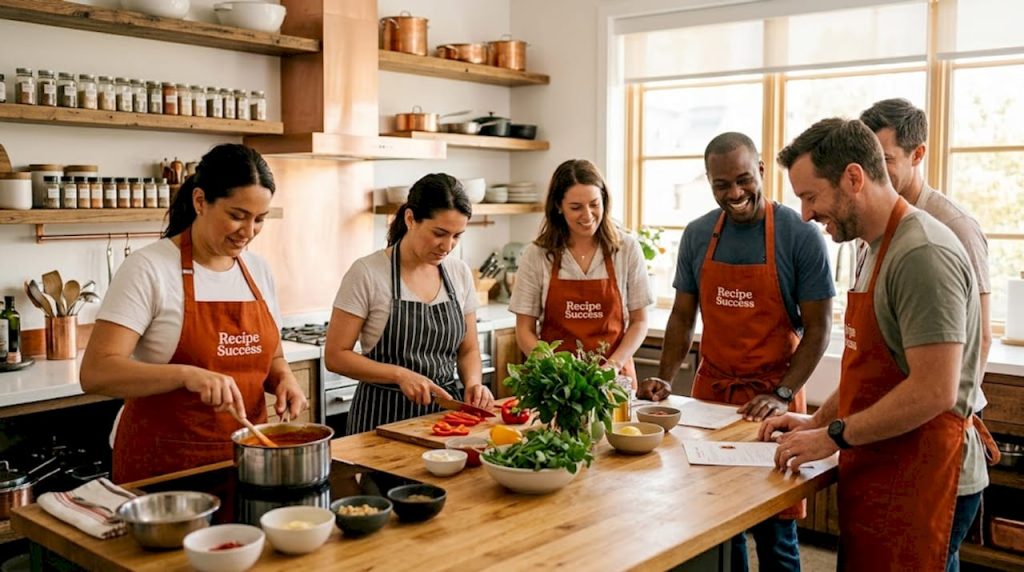
Group size shapes how interactivity is maintained. Smaller groups of 8 to 12 people allow the chef to give individualized attention. Larger groups, especially in corporate settings, split into smaller cooking teams at dedicated stations so everyone stays actively involved rather than watching others take their turn.
There is a gap between watching someone cook and actually being able to do it yourself. Interactive cooking closes that gap fast. The reason is straightforward: learning by doing with real ingredients and real-time support locks in technique far more effectively than passive instruction.
“Shared cooking experiences strengthen bonds while building culinary skills and confidence, providing grounding, low-stress social connection and a tangible sense of accomplishment.” — Mental health benefits research
That quote captures something important. The benefits of step-by-step interactive cooking go beyond technique. Cooking together promotes mental health by creating grounding, low-stress social connections. When you share a kitchen with others, whether physically or virtually, something relaxes. The focus shifts to the task at hand. Stress drops. Conversation flows naturally.
From a pure learning standpoint, the advantages of interactive cooking are well supported. Gamification and instructional design applied to virtual cooking formats boost engagement and retention in ways that passive videos simply cannot match. Participants who complete tasks, hit milestones, and receive immediate feedback remember more and feel more capable afterward.
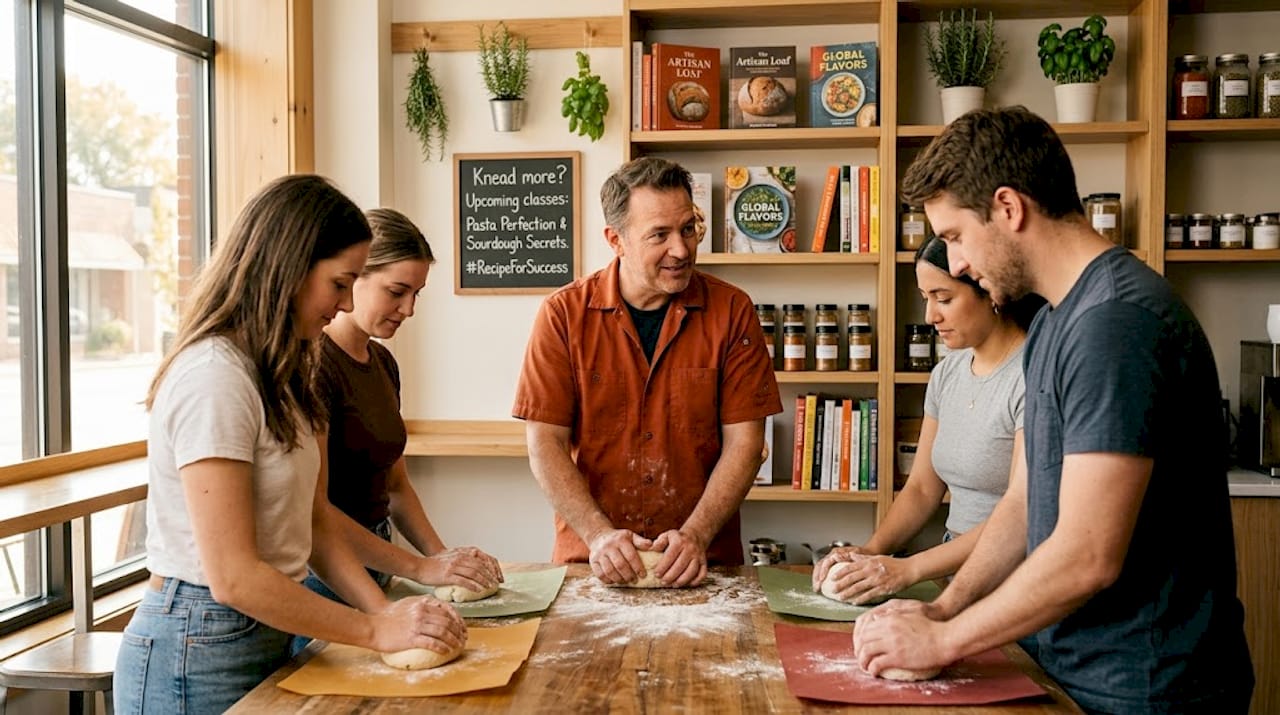
Role assignment in group cooking keeps everyone engaged and actively prevents the disengagement that comes when one person dominates and others drift off. When each person has a job, whether that is managing the sauce, timing the oven, or prepping garnishes, everyone stays present and invested in the outcome. That structure is one of the most underrated aspects of a well-run class.
This is where interactive cooking classes become genuinely powerful as a team-building tool. The culinary environment strips away office dynamics and puts everyone on equal footing around a cutting board. No one has a title in the kitchen.
Corporate team-building cooking events accommodate up to 50 participants, divided into cooking teams with dedicated stations. Each team works through their portion of the menu together, then the whole group shares the results. That structure creates real collaboration under light pressure, which is exactly the kind of condition that reveals communication styles and team dynamics.
Here is how a corporate interactive cooking session compares to a standard team-building format:
| Feature | Standard team-building activity | Interactive cooking class |
|---|---|---|
| Physical engagement | Low to moderate | High throughout |
| Communication required | Task-dependent | Constant and natural |
| Shared outcome | Variable | Guaranteed (you eat together) |
| Skill transfer | Limited | Culinary skills retained long-term |
| Dietary customization | Rarely addressed | Built into the program design |
Managing dietary needs in a group cooking event is non-negotiable. Dedicated cooking stations and menus tailored around Halal, Vegan, Gluten-Free, and allergy requirements prevent cross-contamination and make every participant feel included. A professionally run class handles this behind the scenes so your team just shows up and cooks.
Pro Tip: When planning a corporate session, share dietary requirements with the organizer at least one week in advance. The best providers, like Recipeforsuccess, build customized station setups around your team’s specific needs so nobody feels like an afterthought.
Role-based cooking tasks also do something interesting for teams. When you assign someone who rarely speaks up in meetings to lead the sauce station, you often discover capability and confidence that the boardroom never surfaces. The kitchen reveals people differently, and that revelation carries back into the workplace.
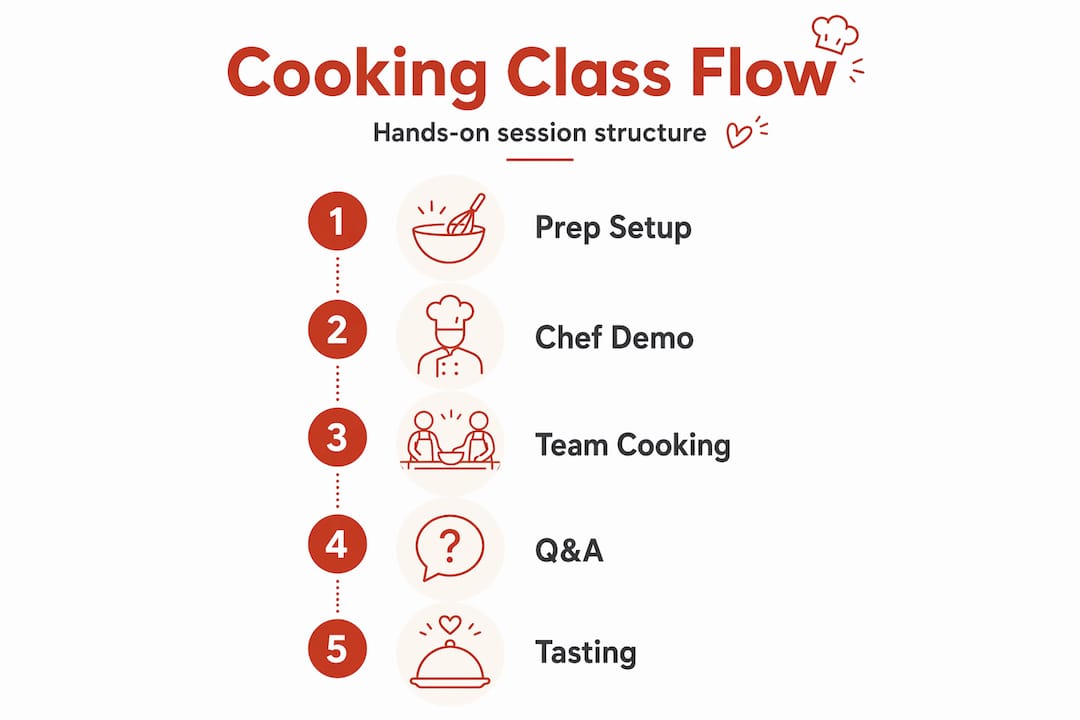
Knowing what happens during a well-run class helps you get the most from it. Here is the typical flow of a step-by-step group cooking experience:
Pro Tip: For virtual sessions, set up your prep space before the class starts. Have your ingredients washed and your tools within reach. The first 10 minutes of a virtual class move fast, and being organized means you stay with the group instead of scrambling.
For virtual Q&A cooking formats, the most effective structure dedicates roughly half the session time to the cooking demonstration and the other half to live participant questions. That back-and-forth is where real learning happens. Do not be shy about asking. The chef is there specifically to guide you.
I have seen a lot of team-building formats come and go. Escape rooms, trivia nights, outdoor challenges. They are all fine, but they tend to dissolve within days. What I have found with interactive cooking is that something sticks. Not just the recipe, though people do actually remember what they made. The confidence sticks. The memory of pulling off a dish you have never tried before, with colleagues around you doing the same, does something to how you see those people back at the office.
What most articles on this topic get wrong is treating the cooking as the point. It is not. The cooking is the vehicle. The real outcome is how shared pressure and shared success change the dynamic between people. I have watched quiet team members step up at a sauce station and command a room. I have seen managers learn to follow instructions for the first time in years and actually enjoy it.
The blend of hands-on activity and live instruction also solves a problem that passive learning never could. You cannot zone out when something is sizzling in your pan. The engagement in interactive formats is not manufactured. It is built into the nature of the activity itself.
The one pitfall I see most often is poor role design in group settings. When everyone crowds around one pan, the magic disappears fast. The best classes I have experienced assign specific tasks so that every person is accountable for something. That structure is not an accident. It is exactly what separates a memorable session from a forgettable one.
— David
Recipeforsuccess specializes in chef-led culinary team-building experiences designed for corporate groups and teams who want more than a standard event. Every session is professionally facilitated, with menus customized around your team’s dietary needs and a format built for maximum hands-on involvement. Whether you are planning an in-person event or a virtual session, the Recipeforsuccess team handles the logistics so your group can focus entirely on cooking and connecting.
You can explore food-based team-building options that fit groups of all sizes and experience levels. From themed multi-course experiences to focused culinary challenges, there is a format for every team. Ready to get started? Check out the full range of culinary team-building ideas and find the session that fits your crew.
An interactive cooking class is a hands-on culinary session where participants cook alongside a professional chef in real time, receiving live guidance, feedback, and instruction rather than just watching a demonstration.
In-person classes usually run 2 to 3 hours, while virtual interactive classes typically last 60 to 90 minutes, both including structured preparation, cooking, and a sharing or dining component at the end.
Yes. Corporate interactive cooking classes are specifically designed to split teams into small groups with role-based tasks, which builds communication, collaboration, and a shared sense of accomplishment that transfers back to the workplace.
You will typically receive a shopping list, recipe booklet, and prep guide before the session. Set up your ingredients and tools in advance, test your camera and audio early, and review the materials the night before to stay on pace with the group.
Absolutely. Professionally run corporate cooking events use dedicated stations and customized menus to accommodate dietary needs including Halal, Vegan, Gluten-Free, and specific allergies, so every participant can cook and eat safely.