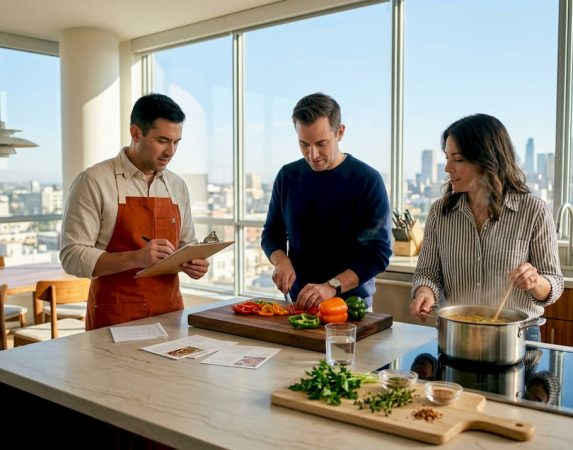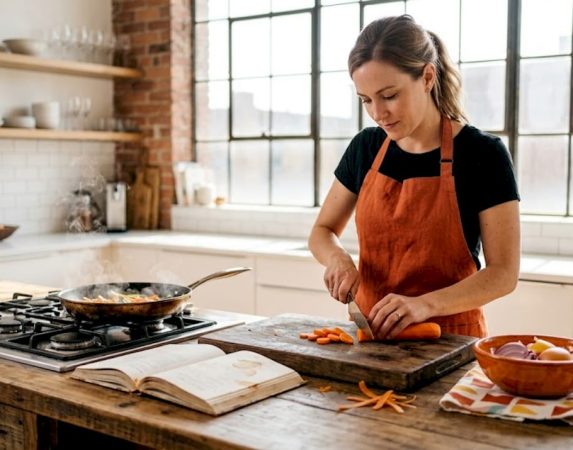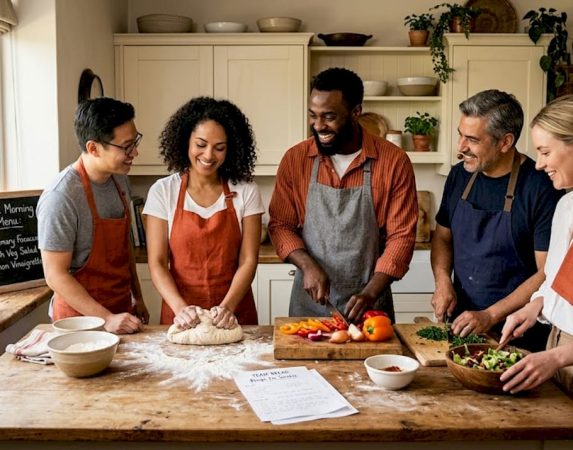
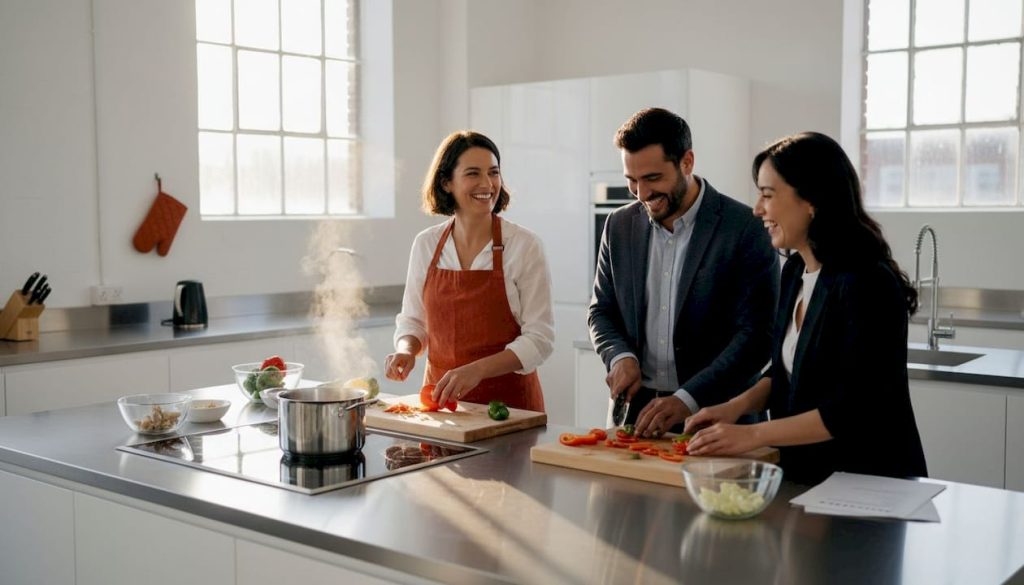
Most corporate leaders hear “culinary workshop” and picture a fun afternoon stirring pasta. That’s a fair first impression, but it barely scratches the surface of what these experiences actually deliver. A well-designed culinary workshop is a strategic team development tool, one that surfaces communication gaps, builds trust, and creates shared memories that outlast any slide deck or offsite presentation. This guide unpacks exactly what culinary workshops are, how they’re structured, and how you can use them to strengthen the culture of your team in ways that stick long after the last dish is plated.
| Point | Details |
|---|---|
| Team development focus | Culinary workshops go beyond cooking, building trust and collaboration among colleagues. |
| Flexible formats | Choose from competitive, collaborative, or themed workshops to fit your team’s needs. |
| Engaging structure | Workshops include hands-on tasks, group coaching, and team meals in a supportive setting. |
| Lasting impact | Teams leave with stronger bonds and actionable habits that carry into the workplace. |
| Easy access for all | No cooking experience is required, making these workshops inclusive and effective for every team member. |
A culinary workshop, in a team-building context, is a structured, hands-on cooking experience designed specifically for groups. It is not a cooking class where everyone quietly watches a chef demonstrate techniques. It is an interactive environment where your team works together, makes decisions together, and solves problems together, all while preparing real food.
The distinction matters. A cooking class teaches culinary skills. A culinary workshop uses culinary skills as a vehicle to boost collaboration through cooking and sharpen the same communication behaviors your team needs back at the office. The kitchen becomes a mirror for how people actually work together.
Here are the core elements that define a true culinary workshop for teams:
Pro Tip: Before you book, ask your provider which specific teamwork skills they target. Not every culinary workshop offers the same depth. Some are primarily entertainment, while others are purpose-built for genuine team development. Know the difference before you invest.
The format varies widely. Some workshops run as competitive culinary challenges, with teams racing to create the best dish. Others are relaxed, collaborative cooking sessions where everyone contributes to one shared feast. The right format depends entirely on your team’s current dynamics and development goals.
Once you know what a culinary workshop actually entails, the “why” becomes obvious pretty fast. Let’s break down what makes cooking together so uniquely powerful for corporate teams.
First, the kitchen is a great equalizer. Your most senior executive and your newest hire both stand at the same cutting board wearing the same apron. Nobody has a title in the kitchen. That level playing field creates genuine moments of mutual respect, and that respect often carries back into the office.
Second, cooking together requires exactly the skills that make teams successful at work. You need to communicate clearly, delegate tasks based on individual strengths, manage time under pressure, and adapt when things don’t go as planned. These aren’t metaphors. They are the literal demands of preparing a meal with a group of people. Team bonds through culinary experiences form because the context is real, not simulated.
“Great teams are built in the kitchen as well as the boardroom.”
The research backs this up too. Culinary workshops promote collaboration by requiring team members to communicate and delegate tasks effectively, creating measurable shifts in how people interact. Studies on experiential learning consistently show that hands-on, shared experiences produce higher engagement and longer-lasting behavior change than passive activities like seminars or lectures. Teams that participate in hands-on experiences together report stronger workplace satisfaction and improved day-to-day performance.
Here is a summary of why culinary workshops stand out:
Understanding the benefits leads naturally to the next question: which type of workshop is right for your group? You can select from competitive showdowns, collaborative cooking classes, chef-led tastings, or theme-based workshops, each with its own strengths.
Here’s a quick comparison to help you decide:
| Type | Group size | Best for | Energy level | Team outcome |
|---|---|---|---|---|
| Culinary challenge | 10 to 50 | Established teams | High | Friendly competition, leadership |
| Collaborative cooking | 6 to 40 | New or mixed teams | Medium | Trust, communication |
| Chef demonstration and tasting | Up to 80 | Large events, networking | Low to medium | Shared experience, culture |
| Themed experience | 10 to 60 | Celebrations, onboarding | Medium to high | Creativity, inclusion |
Once you’ve reviewed the formats, here’s how to match the right workshop to your team’s actual needs:
Pro Tip: For new or recently reorganized teams, start with a collaborative cooking session. The low-pressure format gives people space to connect without the added stress of competition. For established teams that want an energy boost, a competitive culinary challenge is where the real magic happens.
So what actually happens during one of these sessions? Let’s walk through it together. Knowing what to expect makes it easier to prepare your team and get maximum value from the experience.
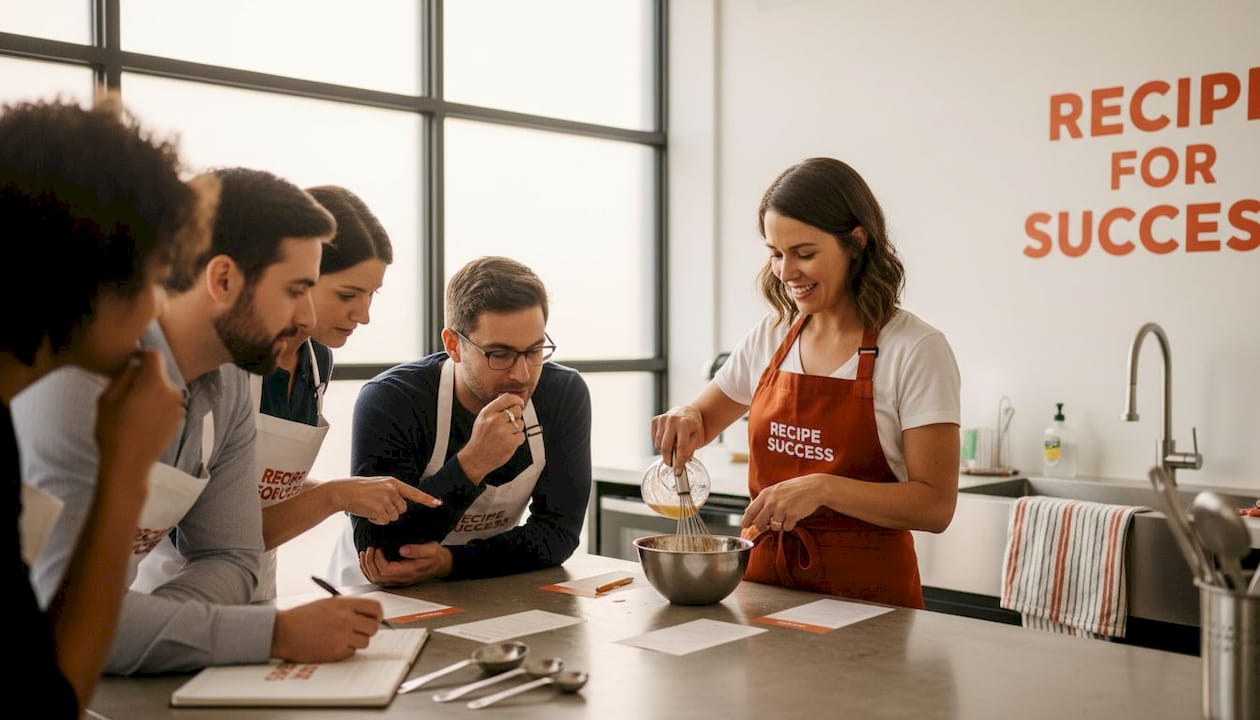
Each session is guided by an expert facilitator and includes icebreakers, group instruction, hands-on tasks, and shared debriefs. Most workplace cooking classes run two to three hours, which is long enough to create real connection but short enough to fit into a busy schedule.
Here’s how a typical session breaks down:
| Activity | Duration | Skills developed |
|---|---|---|
| Welcome and icebreaker | 15 to 20 min | Comfort, openness |
| Safety brief and kitchen orientation | 10 min | Listening, attentiveness |
| Recipe introduction and team planning | 15 to 20 min | Communication, delegation |
| Hands-on cooking | 45 to 60 min | Collaboration, problem solving |
| Plating and presentation | 10 to 15 min | Creativity, attention to detail |
| Shared meal and debrief | 20 to 30 min | Reflection, connection |
The facilitator plays a key role throughout. Unlike a cooking instructor whose job is to teach technique, a workshop facilitator watches how teams interact. They coach communication in real time, nudge teams to include quieter members, and help groups reflect on their process, not just their results.
Teams often have questions before signing up. Here are the most common ones:
Booking the workshop is the easy part. Getting lasting value from it requires a little intentional planning on your end. Here’s how to make sure your investment pays off for your whole team.
Pro Tip: Encourage team storytelling after the event. Share photos in your team channel, swap the recipes you made, or post a highlight reel. These small acts extend the experience and deepen the connection it created. The story of “that time we burned the caramel” becomes a team legend that strengthens culture over months.
You can also pair the experience with culinary leadership training for a deeper focus on how individuals lead, delegate, and support others under pressure.
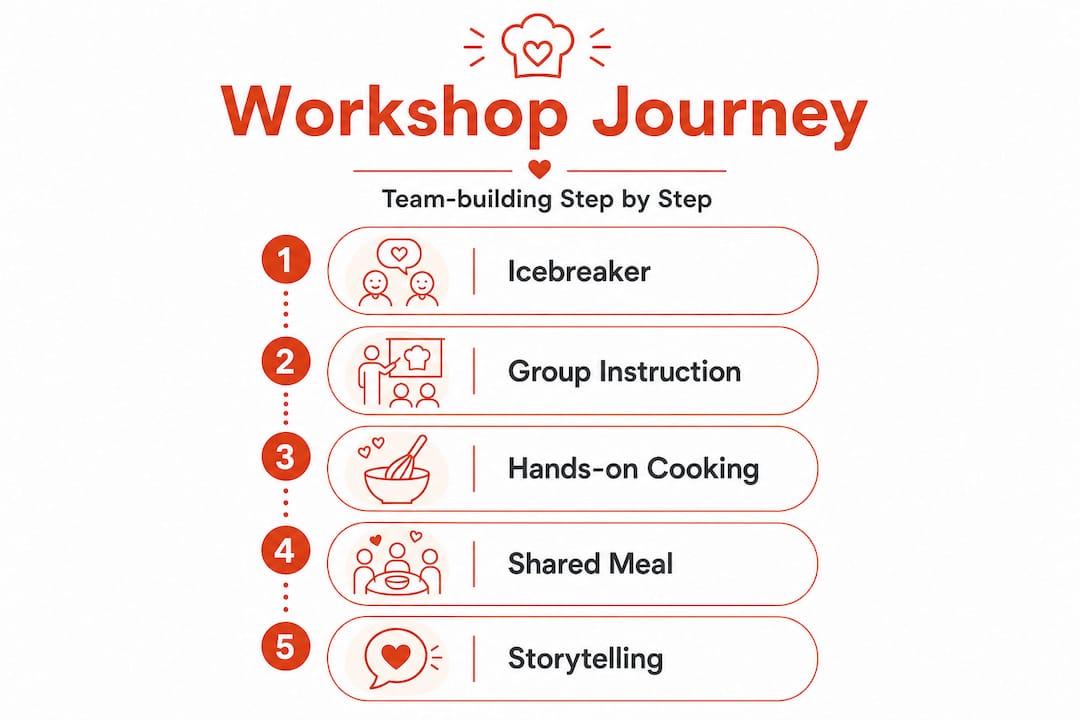
Here’s the honest truth that most team-building articles won’t tell you. The biggest benefits of a culinary workshop don’t always show up on the day itself.
Most leaders treat these events as a single point in time, a fun day out, a box checked on the “team building” list. The companies that get the most value from culinary experiences treat them differently. They use the workshop as a catalyst, not a conclusion. The insights from a team-building chef who has worked with hundreds of corporate groups consistently reveal the same pattern: the real culture shifts happen two or three weeks after the event, when the reflections start settling in.
Enduring bonds, and even long-term process improvements, often surface weeks or months after the event.
Think about what cooking together actually reveals. You see who naturally steps into a leadership role. You see who listens carefully to others. You see who tends to go quiet under pressure and who keeps the energy up when things get messy. None of that is staged. It’s real behavior in real time, and it gives leaders extraordinary insight into their team’s true dynamics.
That visibility is rare. Most meetings and projects don’t reveal character the way a timed cooking challenge does. And when leaders use that visibility wisely, by acknowledging what they saw, discussing it openly, and connecting it to everyday work habits, they create moments of genuine self-awareness and team growth.
Unlike some team activities that feel abstract or disconnected from actual work, culinary workshops mirror the rhythms of the workplace in ways that everyone can see and feel. That’s not a small thing. That’s what transforms a good event into a real investment.
If you’ve made it this far, you know that culinary workshops are far more than a fun afternoon activity. They’re a powerful, proven way to build the communication skills, trust, and team identity that drive real performance. And the best part? They’re enjoyable. Your team will actually look forward to this one.
Recipe for Success designs culinary experiences for teams of every size and goal. Whether you want the energy of a culinary challenge, the warmth of collaborative cooking, or something completely custom, we make it easy to get started. Browse the full list of events, share your team details, and let us craft an experience that brings your people together, one dish at a time. Your team’s best session might just start with an apron.
Yes, reputable culinary workshop providers routinely adapt menus to accommodate allergies and dietary preferences. Just share your team’s needs when you book, and the menu will be built around them.
Most workshops run two to three hours, including instruction, hands-on cooking, and shared meal time. That’s a focused investment with a high return.
No prior cooking experience is needed. Workshops are designed for all skill levels, and trained facilitators make sure every person can contribute meaningfully from the very start.
Teams commonly report improved communication, stronger collaboration, and a deeper sense of camaraderie. Culinary workshops promote collaboration by requiring effective communication and shared task ownership throughout the session.
Yes, many providers offer virtual formats with ingredient kits shipped directly to each participant, so remote and hybrid teams can enjoy the same hands-on experience from wherever they are.