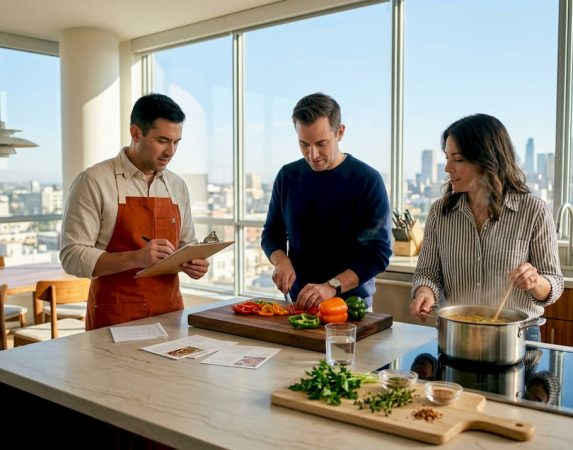
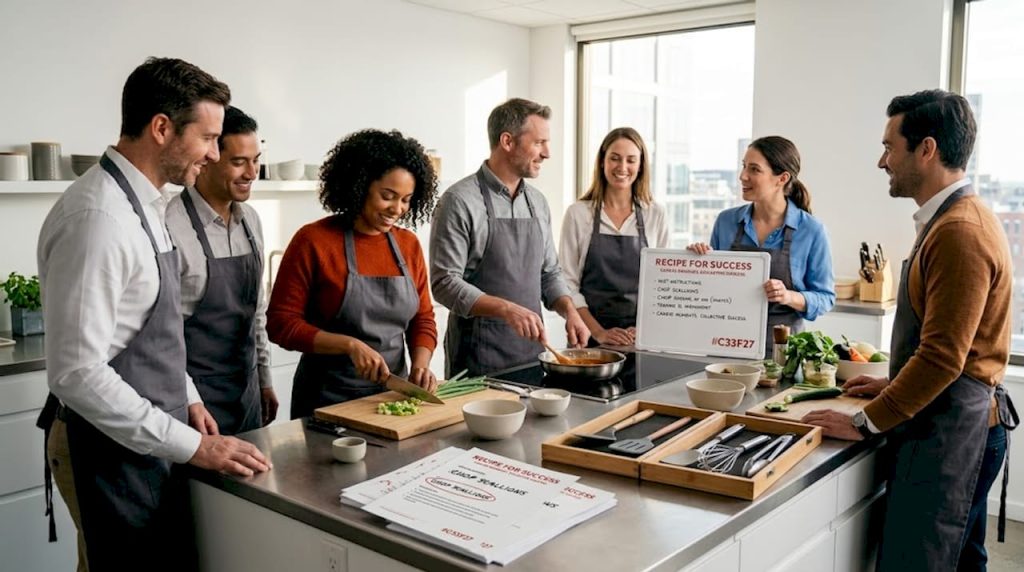
Choosing the right team building event feels a lot like staring at a restaurant menu with too many options. You want something that energizes your team, fits your budget, and actually delivers results beyond a fun afternoon. Culinary experiences have become one of the most requested formats in corporate programming, and it’s easy to see why. The U.S. cooking class sector is projected to reach $7.6B by 2030, with a 21% rise in corporate workshops driving much of that growth. The key is knowing which cooking event format fits your team’s specific goals and culture.
| Point | Details |
|---|---|
| Target your objectives | Start with clear goals to pick the ideal cooking event format for your team. |
| Engage with variety | Choose from hands-on, competitive, virtual, and cause-based events to match team preferences. |
| Use data to decide | Compare event types with a side-by-side table to inform smart planning. |
| Measure real impact | Evaluate success with post-event surveys and ongoing team outcomes. |
Not every cooking event is created equal, and that’s actually a good thing. The variety means you can find a format that truly fits your team’s needs, whether you’re trying to rebuild trust after a reorg, celebrate a big win, or simply get people laughing together for the first time in months.
Before you start browsing options, get clear on your objectives. Ask yourself what you actually want your team to walk away with. Is it better communication? A shared sense of accomplishment? A boost in morale after a tough quarter? The answer shapes everything from the event format to the menu.
Here’s a practical checklist to guide your evaluation:
Pro Tip: Send a quick three-question survey to your team before booking. Ask about dietary restrictions, comfort in the kitchen, and whether they prefer collaborative or competitive activities. You’ll get better buy-in and avoid surprises on event day.
A 21% rise in corporate cooking workshops reflects the growing demand for more targeted programming, not just generic fun. Planners who take the time to match the event to the team’s actual needs consistently report stronger outcomes. If you’re still exploring formats, browsing new team building ideas can spark useful inspiration before you commit.
Armed with your evaluation criteria, let’s explore the most engaging formats available right now. Each one creates a different kind of energy in the room, and understanding those differences helps you pick with confidence.
Hands-on cooking classes. This is the classic format, and it remains wildly popular for good reason. A professional chef guides your team through preparing a complete meal together. Everyone has a role, from chopping to plating, and the shared goal creates natural conversation and collaboration. It’s low-pressure, skill-building, and genuinely fun. Best for teams that want to bond without the stress of competition.
Culinary challenges. Think of this as a kitchen version of a relay race. Teams are divided into smaller groups and given a set of ingredients, a time limit, and a dish to create. The culinary challenge format drives creative problem solving, fast communication, and a healthy dose of laughter when things go sideways. It’s high energy and works beautifully for teams that thrive on a bit of friendly pressure.
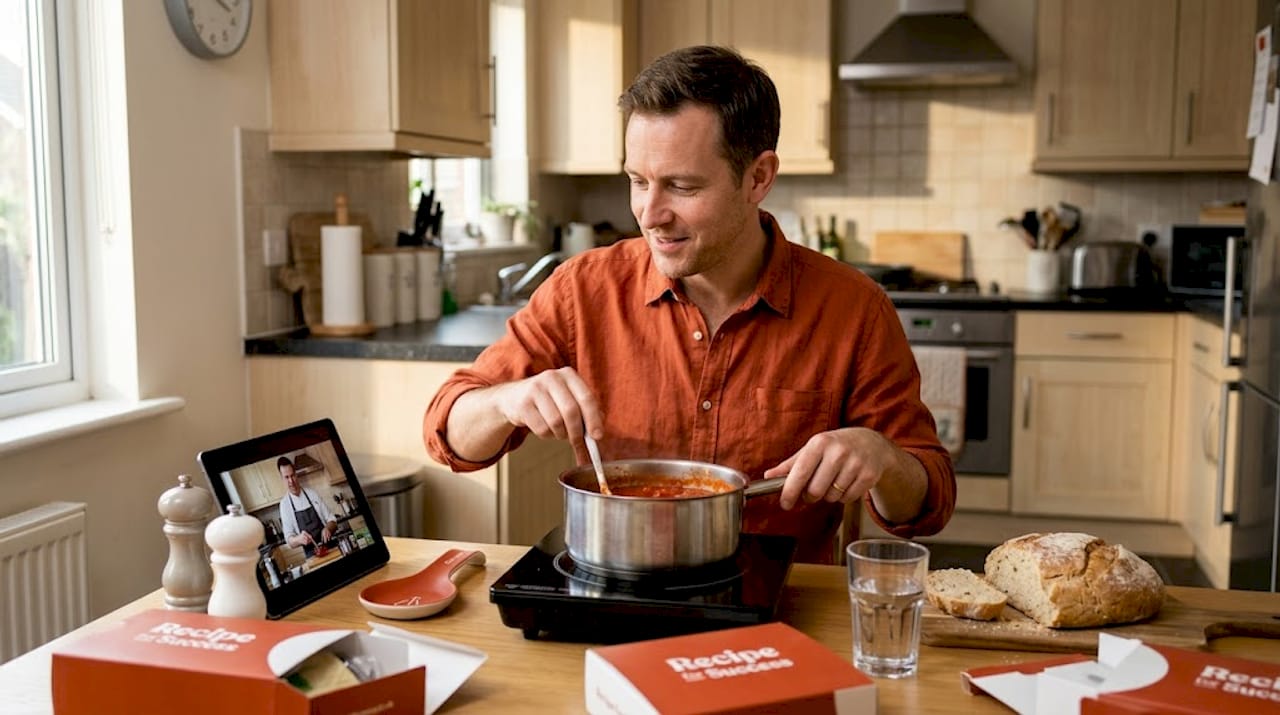
Virtual cooking experiences. Remote and hybrid teams are not left out of the kitchen. Virtual events ship ingredient kits directly to participants’ homes, and a live chef leads the session online. The format is surprisingly intimate and effective. People tend to open up more in their own kitchens, and the shared activity bridges the digital divide in a way that video calls alone rarely do.
Iron Chef-style battles. This is the most gamified format on the list. Teams compete head-to-head with mystery ingredients, timed rounds, and a panel of judges. It’s theatrical, high-impact, and creates stories your team will be retelling at the next all-hands meeting. Best reserved for groups that are already comfortable with each other and ready to turn up the energy.
Charity and cause-based cooking events. These events add a layer of purpose to the experience. Teams prepare meals for local shelters, food banks, or community organizations. The giving component transforms the event from a fun activity into something genuinely meaningful. Teams leave feeling proud, connected, and aligned around shared values. This format is especially powerful for companies focused on social responsibility.
“We see teams open up and laugh together while learning skills they can share at home. The kitchen has a way of stripping away titles and just making people human again.” — Chef insight from the Recipe for Success team
Pro Tip: Rotate event types throughout the year. A hands-on class in Q1, a culinary challenge in Q3, and a charity cook in Q4 keeps the experience fresh and reaches team members who respond to different formats. Check out insider chef tips for more ideas on keeping things interesting.
TeamBonding’s expansion into culinary formats reflects exactly this evolution, with providers developing specialized offerings to match the wide range of team preferences in today’s workplace. Browse the full range of cooking team building programs to see how many creative directions you can take this.
With the main event types in mind, use this comparison to narrow in on the best fit for your team’s unique needs.
| Event type | Collaboration level | Competition | Accessibility | Best outcome |
|---|---|---|---|---|
| Hands-on cooking class | High | None | High (easy for all skill levels) | Bonding, morale, skill building |
| Culinary challenge | Medium | High | Medium (some kitchen confidence needed) | Problem solving, communication |
| Virtual cooking event | High | Low | Very high (remote and hybrid friendly) | Inclusion, connection across locations |
| Iron Chef-style battle | Medium | Very high | Medium (works best with outgoing teams) | Energy, fun, team identity |
| Charity cook event | Very high | None | High (purpose-driven, welcoming) | Values alignment, community impact |
Beyond the table, here’s a quick guide to matching event type to specific team objectives:
Corporate culinary events now include virtual, hybrid, and specialized formats that were barely on the radar five years ago. That evolution means you have more flexibility than ever to find a format that genuinely fits. If you’re still weighing inspiring team building ideas or want to see the full landscape of culinary team formats, both are worth exploring before you finalize your decision.
After comparing, it’s time to move forward. Here’s how to ensure your chosen cooking event delivers real impact rather than just a nice afternoon.
The cooking event market’s projected $7.6B value signals that organizations everywhere are recognizing these experiences as a strategic investment, not just a perk. When you approach the planning process with this mindset, you get better results. For more on building lasting team dynamics through these experiences, effective team building strategies offer a solid framework to build on.
Here’s something most planning guides won’t tell you. The biggest mistake event planners make isn’t choosing the wrong format. It’s measuring the wrong outcomes.
Most post-event surveys ask whether people had fun. Fun is easy to measure. But the real value of a culinary team building experience shows up weeks later, in a hallway conversation between two colleagues who bonded over a burnt risotto. It shows up when the quiet analyst from accounting cracks a joke in a cross-team meeting because she remembers laughing with the sales team over a failed soufflé. That kind of connection doesn’t show up in a satisfaction score.
We’ve seen it happen repeatedly. A team arrives skeptical, arms crossed, convinced this is just another mandatory fun exercise. Then someone’s sauce breaks, and suddenly the VP of marketing is laughing with the junior developer about how to fix it. The kitchen strips away hierarchy in a way that no trust fall or trivia night ever could. That’s what behind the apron insights from our chefs confirm again and again.
The conventional wisdom says measure ROI through surveys and engagement scores. We’d argue the more important metric is whether your team is talking to each other differently a month later. Are people more willing to ask for help? Are cross-functional projects moving faster because people actually like each other now? Those are the outcomes worth cooking for.
The real power of a culinary event isn’t the meal. It’s the culture shift that happens when people create something together under a little pressure, with a little laughter, and walk away feeling genuinely proud of what they built as a team.
Ready to turn your next team building event into something your people will actually look forward to? Recipe for Success designs chef-led culinary experiences that fit your team’s size, goals, and culture, whether you’re planning for 10 people or 200.
From hands-on cooking classes to high-energy culinary challenges, every event is professionally facilitated and fully customizable. Dietary needs, themed menus, virtual formats, and cause-based experiences are all part of what we do. You bring the team. We’ll handle the rest. Explore our programs to find the perfect format for your next event, or reach out directly for a personalized recommendation. Let’s start cooking up something great together.
Hands-on collaborative classes remain the most popular choice, but culinary challenges and virtual events are growing quickly as teams look for more variety and energy in their programming.
Many providers offer fully customizable menus to accommodate allergies, religious dietary requirements, and lifestyle preferences like veganism or gluten-free eating, so no one gets left out of the kitchen.
Absolutely. Virtual and hybrid formats with shipped ingredient kits create genuine shared experiences that drive engagement and a real sense of connection, even across time zones and home offices.
Beyond post-event surveys, look for improved cross-team communication, stronger working relationships, and observable changes in how colleagues interact in the weeks following the event. Those behavioral shifts tell the real story.