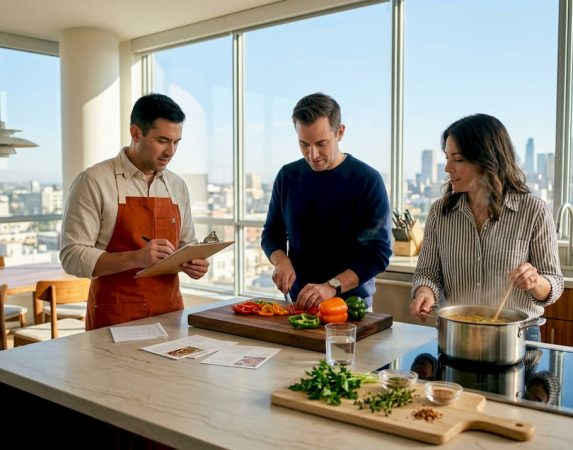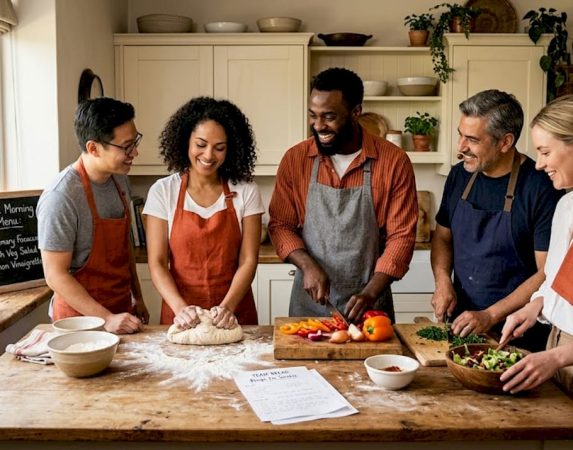
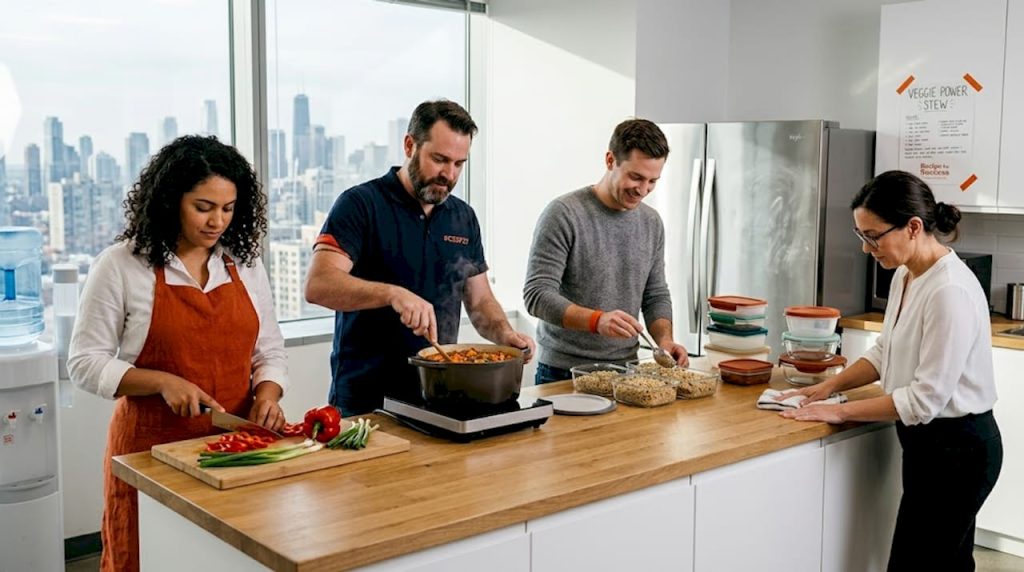
Picture this: it’s noon on a Tuesday. Half your team is eating solo at their desks, scrolling through their phones. A few others grabbed fast food and are back in five minutes. Nobody talks. Nobody connects. Then contrast that with a team huddled around a prep station, laughing over chopped vegetables, debating the best way to season a grain bowl, and dividing tasks like a well-oiled machine. That second scenario is not just lunch. According to the DoorDash 2026 Workplace Meal Trends Report, meal programs can be directly linked to in-office productivity and healthier ordering behavior, giving HR leaders a real, data-backed reason to invest in team meal experiences. This guide walks you through everything: planning, prepping, executing, and measuring success.
| Point | Details |
|---|---|
| Boosts team productivity | Regular team meals support healthier habits and increase workplace engagement. |
| Simple, scalable setup | Anyone can organize meal prep with just a few tools, ingredients, and a step-by-step plan. |
| Lasting team bonds | Collaborative cooking creates authentic connections and reinforces teamwork far beyond the kitchen. |
| Adaptable for any schedule | Batch-cook and grab-and-go meal systems suit both busy and flexible lunch breaks. |
Most companies treat lunch as a break from work. But the smartest teams treat it as an extension of their culture. Cooking for team building creates natural moments of collaboration that no conference room exercise can replicate. When people chop, stir, season, and plate together, they communicate differently. They problem-solve in real time. They laugh. They share.
The numbers back this up. According to the DoorDash 2026 Workplace Meal Trends Report, team-sized orders grew 30% faster year over year, and employees who ordered workplace meals more than once per week were 54% more likely to choose healthier meals than those who ordered less frequently. Even the day of the week matters: healthy orders ran 30% higher on Tuesdays than Fridays, and Thursdays saw 20% more orders than Mondays.
“When you eat together, you work better together. It’s that simple.” This is the core philosophy behind every successful team meal program.
The benefits extend well beyond nutrition. The cooking at work benefits are real and measurable: reduced stress, stronger interpersonal trust, and a shared sense of accomplishment. Here is what team meal prep consistently delivers:
These outcomes are not accidental. They are the natural result of putting people together in a low-stakes, high-reward environment where everyone has a role and everyone contributes.
Before you fire up the stove, you need to set your team up for success. The right tools and a well-organized workspace make the difference between a smooth, energizing experience and a chaotic scramble. Think of this stage as mise en place, the French culinary concept of having everything in its place before cooking begins.
For a group of 8 to 15 people, you will want to cover these essentials:
| Category | What you need | Notes |
|---|---|---|
| Prep tools | Chef’s knives, cutting boards, peelers | One set per 2 to 3 people |
| Cooking equipment | Sheet pans, large pots, sauté pans | Oven-safe preferred |
| Portioning | Meal prep containers, labels, markers | Reusable containers save waste |
| Workspace | Clean counters, sanitizing spray, paper towels | Designate stations by task |
| Ingredients | Proteins, grains, vegetables, sauces | Pre-measured for efficiency |
Matching your ingredient quantities to group size is critical. Too little and people feel underutilized. Too much and the prep becomes overwhelming. A good rule of thumb: plan for one pound of protein and two cups of cooked grains per four team members.
Assigning roles is where the team building magic really starts. You do not need everyone doing the same thing. Designate a prep lead, a cook, a portioner, and a cleanup crew. Rotate these roles each session so everyone gets a turn at every station. This builds empathy, cross-functional understanding, and a genuine appreciation for what each role requires.
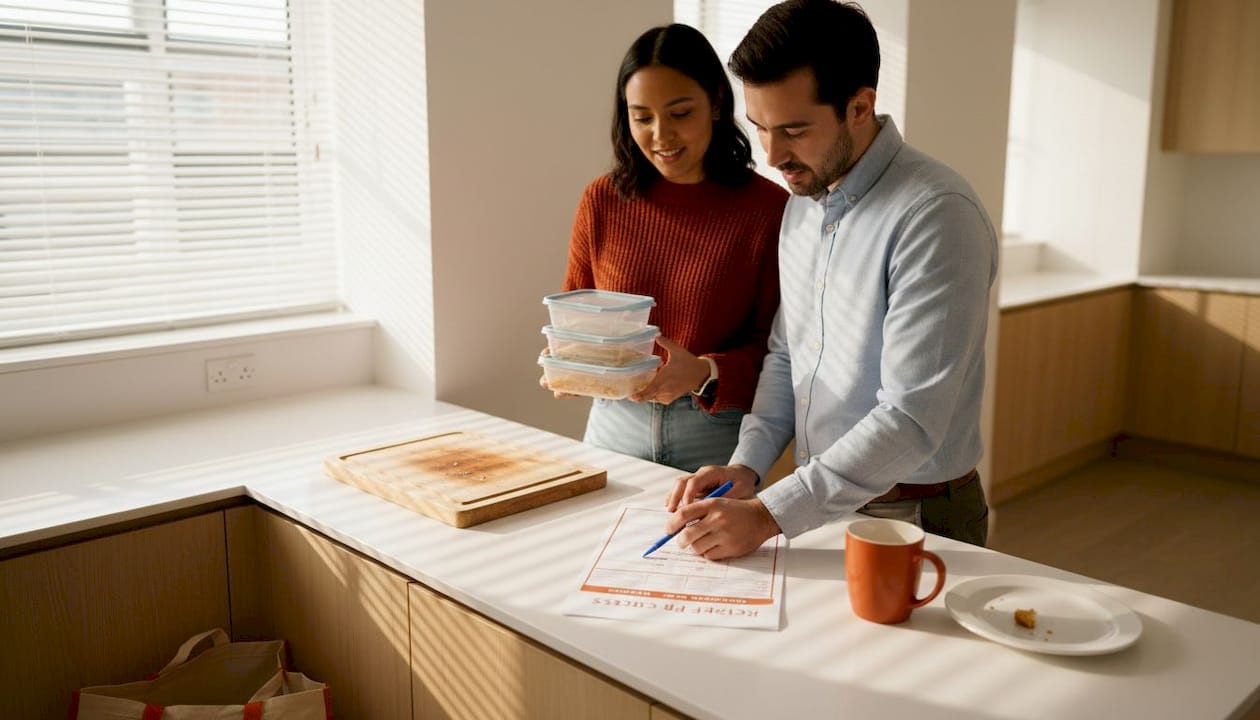
Pro Tip: According to meal prep guidance for busy professionals, dedicating about 90 minutes to batch-cook proteins, grains, and vegetables, then portioning them into containers, is the most efficient approach. On heavy meeting days, opt for grab-and-go options. When the schedule allows a full lunch break, go for assembled or reheated meals.
Explore a range of team building ideas that pair well with meal prep to round out your program. And if you are planning team cooking events for a larger occasion like a holiday party, the same principles apply at scale.
Now comes the hands-on part. A well-run team meal prep session has a clear flow, defined responsibilities, and enough flexibility to feel fun rather than rigid. Here is a proven sequence you can follow:
“The system matters more than the recipe. When your team knows the workflow, the food practically makes itself.”
One of the most useful decisions you will make is choosing between batch-cooking and assemble-on-the-spot prep. Here is how they compare:
| Style | Best for | Advantages | Watch out for |
|---|---|---|---|
| Batch-cook | Busy weeks with back-to-back meetings | Fast, scalable, reheats well | Can feel less interactive |
| Assemble-on-the-spot | Teams with flexible schedules | More creative, highly engaging | Takes more time and coordination |
| Hybrid | Most corporate teams | Balances efficiency with engagement | Requires clear role assignments |
The culinary challenge insights from facilitated events show that the hybrid approach tends to generate the most energy and satisfaction. Teams get the satisfaction of hands-on creativity while still producing a practical, portioned result.
Pro Tip: Focus on systems over spontaneity. Batch-cook components that reheat well, portion into containers, and align your prep style to the week’s schedule. A meeting-heavy Monday calls for grab-and-go. A lighter Wednesday is perfect for a full assembly experience. For more on effective team building tips, check out our dedicated resource.
Even the best-planned sessions hit a snag. Knowing what to expect means you can respond quickly and keep the energy positive. Here are the most common obstacles and how to handle them:
“The best team meal prep experiences are not the ones with the fanciest food. They are the ones where everyone felt included and useful.”
Connecting teams through food works best when the experience feels fair and accessible. That means designing menus that welcome all skill levels, not just the confident cooks. Give newer team members simple, satisfying tasks like washing greens or portioning sauces. Give experienced cooks the more technical steps. Everyone contributes. Everyone belongs.
Pro Tip: Follow the batch-cook and portion approach to reduce decision fatigue during the session. When components are pre-planned and the system is clear, your team spends less time figuring out what to do and more time actually doing it together.
Running a great team meal prep session is one thing. Knowing whether it actually worked is another. Measuring your results gives you the data to keep leadership engaged and to make each session better than the last.
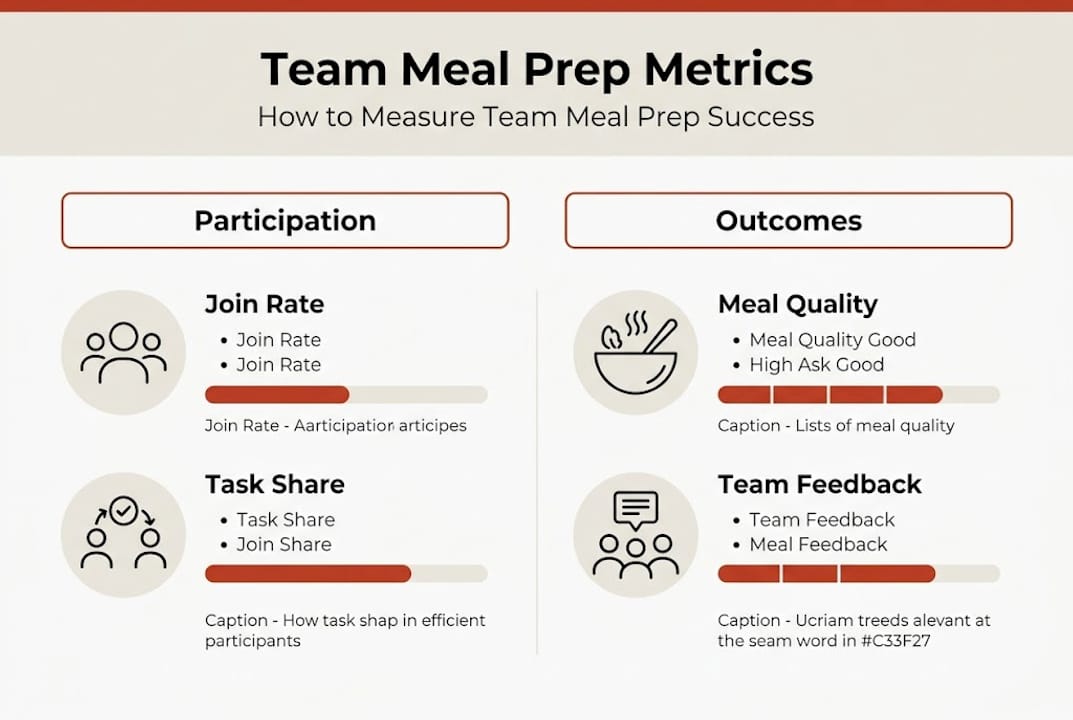
Start with these core metrics:
| Metric | What to measure | How to collect it |
|---|---|---|
| Participation rate | Percentage of team who joined | Sign-in sheet or calendar invite |
| Satisfaction score | How much people enjoyed the experience | Post-session survey (1 to 5 scale) |
| Healthfulness | Nutritional quality of meals prepared | Menu audit by a nutritionist or app |
| Teamwork rating | How well the group collaborated | Peer feedback form |
| Repeat interest | Who wants to do it again | Single yes/no question in survey |
Beyond the numbers, look for qualitative signals. Are people talking about the session the next day? Are cross-departmental friendships forming? Are quieter team members showing up more engaged? These soft signals are just as valuable as survey scores.
For leadership buy-in, frame your results in business terms. Meal programs link directly to in-office productivity and healthier ordering behavior, which translates to fewer sick days, better focus, and stronger retention. Present your participation and satisfaction data alongside these broader trends to make a compelling case.
Here is a simple feedback loop to build into your program:
Visit our culinary team bonding page to see how a structured program can make this measurement process even easier.
Here is the honest truth most companies miss. Traditional team building often fails not because the activities are bad, but because they are passive. Escape rooms, trivia nights, and trust falls are fun in the moment. But they do not require your team to actually solve a real problem together. Team meal prep does.
When you cook together, you face genuine constraints. You have limited time, shared resources, and a concrete goal: produce something edible and delicious for everyone in the room. That is not a simulation. That is real collaboration under mild pressure, which is exactly the condition that builds trust fastest.
Most companies invest in team building as a one-time event. The smarter move is to make it a recurring ritual. Meal prep, done consistently, creates a rhythm. People start to know each other’s strengths. The quiet analyst turns out to be a brilliant knife handler. The loud sales lead is surprisingly patient when teaching others how to season properly. These discoveries reshape how people see each other at work.
The behind-the-apron insights from professional culinary facilitators confirm this pattern again and again. The teams that bond most deeply are not the ones who had the most fun. They are the ones who navigated a challenge together and came out the other side with something to show for it.
Stop thinking of team meal prep as a perk. Start treating it as a leadership strategy.
You have got the framework. Now imagine what happens when a professional chef steps in to guide the experience. Logistics handled. Ingredients sourced. Roles assigned with expert precision. That is exactly what a facilitated culinary team building challenge delivers.
At Recipe for Success, we design culinary team building events that take everything you have learned in this guide and amplify it. Our chef-led sessions remove the guesswork, maximize engagement, and leave your team with a genuine sense of accomplishment. Whether you are coordinating a department lunch or a company-wide event, our workplace cooking solutions are built to fit your team’s size, schedule, and goals. Ready to cook up something great together? Let’s get started.
Aim for 90 minutes to batch-cook proteins, grains, and vegetables, then portion into containers. This window covers prep, cooking, portioning, and cleanup without cutting into the rest of the workday.
Plan ahead by surveying your team at least three days before the session and building a menu with customizable components. Sharing ingredient lists early ensures everyone feels included and no one is caught off guard.
Yes. Virtual meal prep works well when participants receive pre-assigned recipes and join a shared video call to cook simultaneously. The shared experience still creates connection, even across screens.
Meal programs correlate directly with higher in-office productivity and healthier ordering behavior. Presenting participation data alongside these trends gives leadership a clear, evidence-based case for continued investment.
Choose dishes that batch-cook and reheat well, such as grain bowls, roasted vegetable trays, soups, or casseroles. These options are easy to portion, accommodate dietary variations, and hold up well throughout the week.