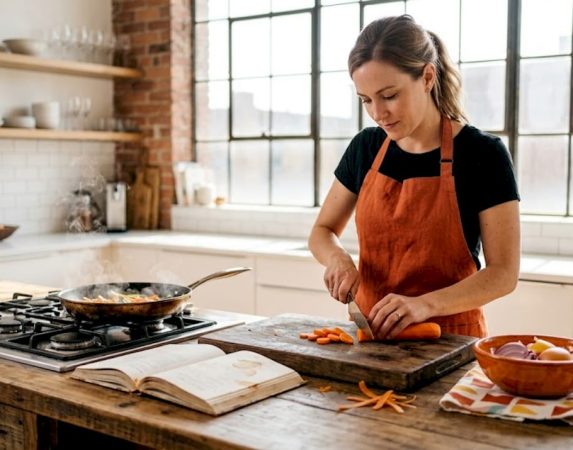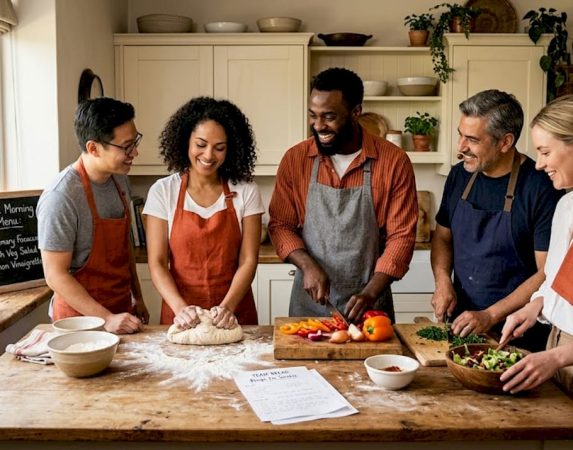
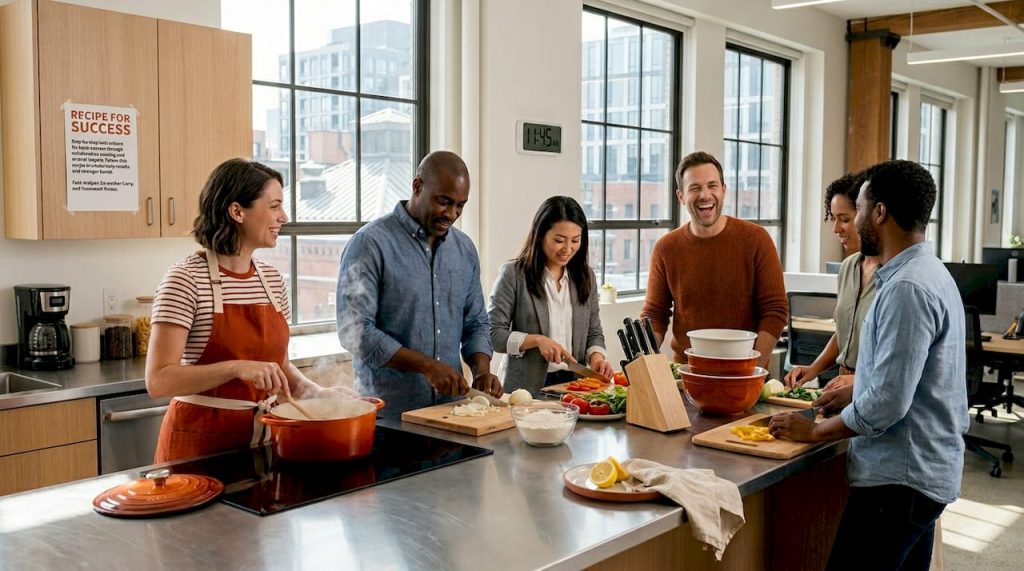
Forget trust falls and ropes courses. There’s a more flavorful way to bring your team together, and it starts in the kitchen. Gourmet team building combines cooking, tasting, and shared food experiences to create genuine connection between colleagues. Culinary activities deliver higher engagement, more creativity, and stronger bonding than many traditional team building methods. If you’re a team leader or HR professional looking for something that truly sticks, this guide walks you through everything you need to know about gourmet team building and why it belongs on your calendar.
| Point | Details |
|---|---|
| More engaging formats | Culinary team building delivers greater creativity and bonding than traditional activities. |
| Plan for inclusivity | Success depends on accommodating dietary, accessibility, and participation needs for all employees. |
| Cost considerations | Gourmet experiences may be more expensive but often drive deeper engagement. |
| Not one-size-fits-all | Culinary activities aren’t ideal for every team—match event format to group preferences. |
| Practical application | Corporate leaders should align team building choices with organizational culture and desired outcomes. |
Gourmet team building is a structured approach to bringing colleagues together through food-centered experiences. Instead of solving a ropes course challenge or sitting through a workshop, teams cook, taste, explore, and create together. The results? Real conversations, natural collaboration, and memories that last long after the event ends.
At its core, culinary bond building taps into something deeply human. Food is universal. Everyone has a relationship with it, an opinion about it, and a comfort level around it. That shared ground makes it easier for people to open up, laugh together, and genuinely connect.
The most popular formats for corporate groups include:
One important thing to keep in mind: culinary activities require thoughtful inclusivity planning to ensure that multi-sensory engagement doesn’t accidentally exclude participants with dietary needs, food aversions, or physical limitations. Planning well from the start makes all the difference.
Pro Tip: When introducing gourmet team building for the first time, start with a chef-led workshop rather than a competition. It reduces performance anxiety and allows everyone to participate at their own pace.
Exploring food-based team collaboration is a great starting point if you want to understand how cooking-based formats encourage real problem-solving and communication on the job.
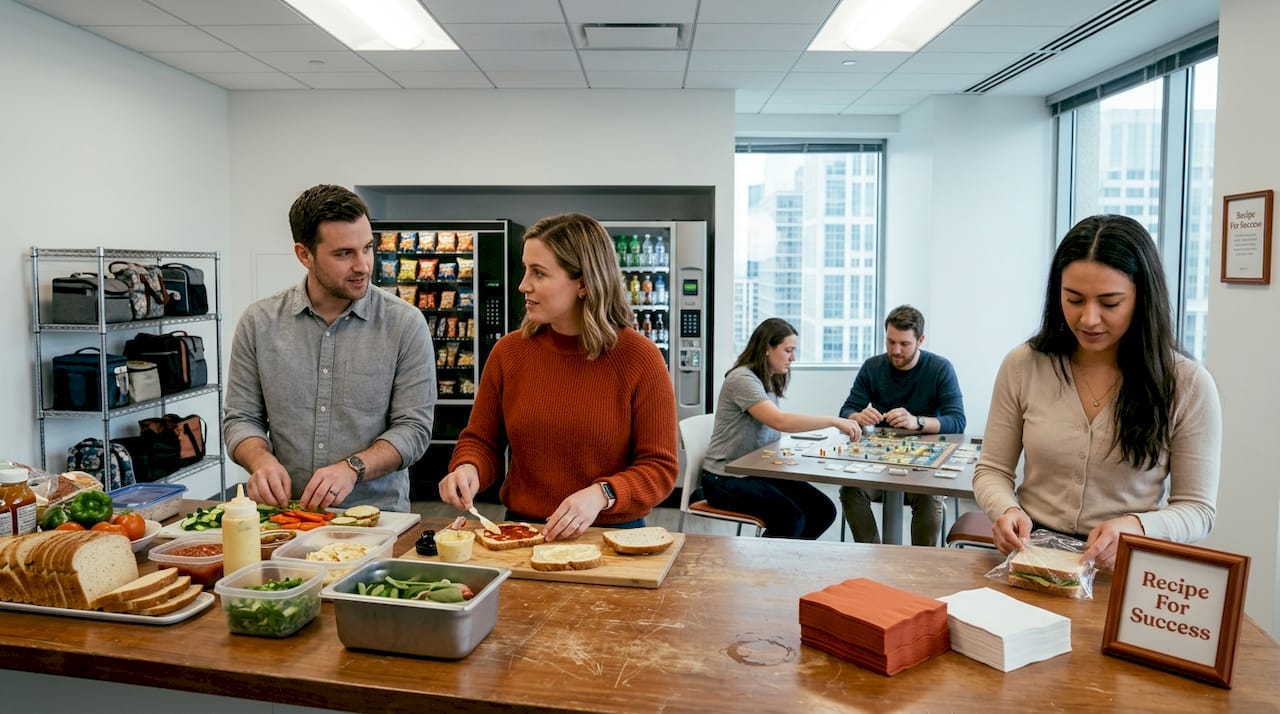
With gourmet team building defined, let’s see how it measures up against standard approaches. The differences are meaningful, and understanding them helps you make a smarter investment for your team.
| Category | Gourmet team building | Traditional team building |
|---|---|---|
| Engagement level | High | Moderate |
| Creativity encouraged | High | Low to moderate |
| Bonding quality | Strong, personal | Task-based |
| Typical cost per person | $75 to $200 | $50 to $150 |
| Stress potential | Moderate (for some) | Low to moderate |
| Outcome measurability | Less quantifiable | More measurable |
| Inclusivity considerations | Requires planning | Generally straightforward |
The numbers tell an interesting story. Culinary activities offer higher engagement, stronger creative stimulation, and richer personal bonding than most traditional formats. However, they do come with a higher price point and require more deliberate planning around inclusivity. Traditional options like escape rooms, ropes courses, and trust-fall workshops tend to be more affordable and easier to measure in terms of outcomes. But they often produce less memorable experiences.
“The best team building activity isn’t the most sophisticated one. It’s the one your team actually wants to show up for.”
Here’s a quick breakdown of how each approach serves different goals:
Exploring corporate cooking events can help you find formats and pricing that work for your specific team size and goals.
After seeing the comparison, let’s focus on how these culinary experiences actively improve team dynamics. This is where gourmet team building really shines. The benefits go beyond having fun at a nice dinner. They create real, lasting change in how teams communicate, solve problems, and support each other back at the office.
1. Improved communication skills
Cooking requires constant, clear communication. Whether a team member is calling out that the sauce is about to boil over or coordinating who handles plating, the kitchen creates real-time communication practice. Teams develop a rhythm of giving and receiving direction without hierarchical pressure. This transfers directly to the workplace.
2. Stronger creative problem-solving
When a team runs out of one ingredient mid-recipe, they have to adapt. Fast. This kind of spontaneous problem-solving in a low-risk environment builds creative confidence. Teams that cook together tend to become more comfortable pivoting under pressure in professional settings too.
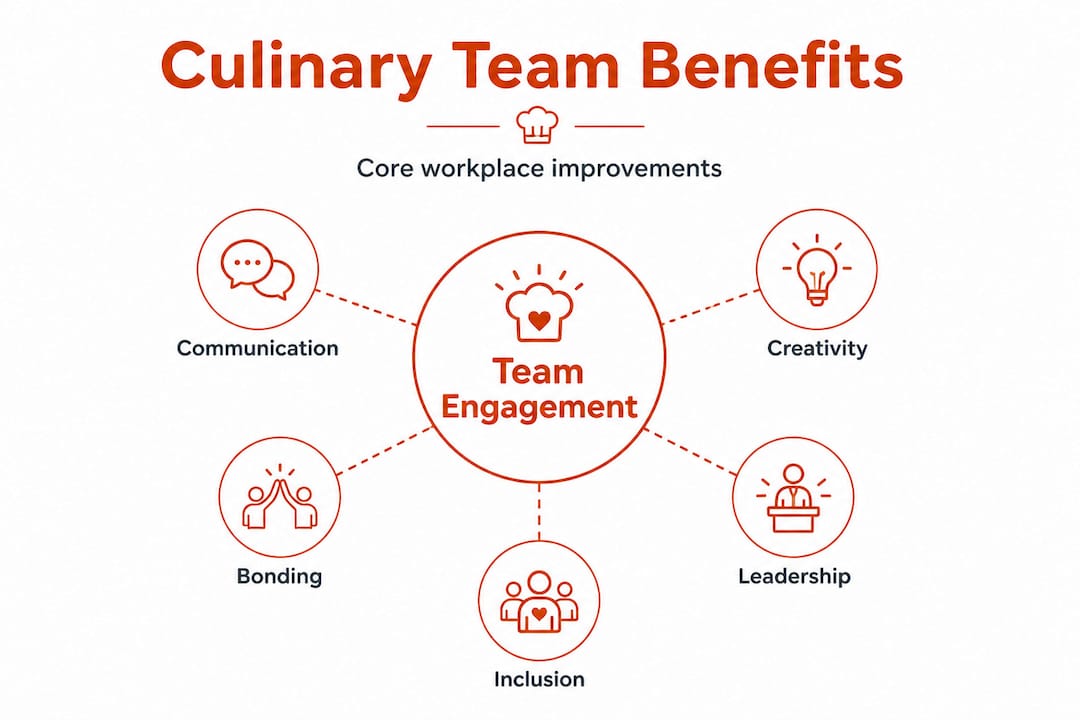
3. Cross-functional relationship building
Culinary events naturally mix people who may never collaborate in their day-to-day roles. A data analyst might find themselves working side by side with someone from marketing or customer service. That familiarity breaks down silos and improves cross-functional cooperation long after the aprons come off.
4. Emotional memory and camaraderie
Food creates emotional memories. That shared laugh when someone drops a bowl, or the genuine pride in a dish that turned out beautifully, becomes a touchstone moment for the group. Multi-sensory culinary formats are especially powerful here because they engage sight, smell, taste, touch, and sound simultaneously.
5. Inclusive leadership practice
When teams cook together, natural leaders emerge in unexpected places. The quiet analyst who happens to be an incredible home cook might guide the whole group through a technique. That visibility and recognition builds confidence and gives leaders a fresh perspective on their team’s hidden strengths.
Pro Tip: Assign rotating “sous chef” roles throughout the event so different people take charge at different stages. This builds leadership experience without putting anyone on the spot for the entire event.
You can get deeper inspiration from culinary challenge concepts that are specifically designed to stretch teams creatively while keeping the atmosphere light. For events that involve beverage pairings or tastings, professional tasting guides can help facilitators create a more structured and educational experience for participants.
To maximize the benefits described, it’s essential to plan inclusively and sensitively. This is one of the most overlooked aspects of gourmet team building, and it’s where many corporate events quietly fall apart.
Here’s a striking reality: 62% of employees prefer non-cooking team activities. That’s not a small minority. It signals that while culinary events can be incredibly powerful, they aren’t automatically a crowd-pleaser. Stress around cooking performance, food allergies, and discomfort in kitchen environments are real factors that need to be addressed before any event goes live.
Practical strategies for building in inclusivity from the start:
Cooking team event guidance is a helpful resource for leaders planning their first culinary event and wondering how to set the right tone. For events involving tastings, reviewing wine tasting inclusivity tips can give you practical ideas for making beverage experiences welcoming for everyone, including those who don’t drink alcohol.
Pro Tip: Always have a non-alcoholic tasting option at any wine or beverage-centered event. It signals respect and ensures no one feels left out of the experience.
When inclusivity is baked into the planning process, gourmet team building becomes one of the most universally enjoyable experiences you can offer your team. When it’s an afterthought, it risks doing the opposite of what you intended.
Having considered how to make these events inclusive, let’s reflect on when gourmet team building is genuinely the best fit, and when it’s not.
Here’s our honest take: we love what culinary experiences can do for teams. We’ve seen quiet colleagues find their voice in the kitchen, and we’ve watched cross-functional groups form genuine friendships over a shared meal they built from scratch. Those moments are real, and they matter.
But gourmet team building is not a universal solution. And pretending it is would do you a disservice.
The truth is that the most memorable culinary event can still miss the mark if it’s not aligned with your team’s preferences, culture, or current dynamics. A team that’s in the middle of a high-pressure project crunch doesn’t need the additional stress of performing well in a kitchen. A group with significant dietary restrictions requires careful and thoughtful planning before a food-centered event can truly succeed. A team that’s already dealing with interpersonal tension might need more structured facilitation than a cooking class naturally provides.
Gourmet formats require inclusivity planning to avoid creating unintentional exclusion. That planning takes time, budget, and experience. Leaders who skip this step often find that the event leaves some participants feeling uncomfortable rather than connected.
Our perspective: the best team building events are chosen based on who your people actually are, not on what looks impressive in a company newsletter. Creativity and engagement don’t automatically outweigh stress and exclusion. Sometimes, a more traditional format with clear structure and comfortable pacing is exactly what a team needs to rebuild trust and collaboration.
That said, when the conditions are right, gourmet team building delivers something that’s genuinely hard to replicate. The key is understanding essential team building factors before committing to any format. When event design meets participant needs, the results can be extraordinary.
You’ve seen how gourmet team building can transform workplace dynamics, sharpen communication, and build the kind of camaraderie that actually lasts. Now it’s time to put that knowledge to work.
At Recipe for Success, we design chef-led culinary experiences specifically for corporate teams. Whether you’re planning an intimate leadership retreat or a large-scale company celebration, we customize every event to match your team’s goals, preferences, and comfort levels. Explore our food-based team building programs to see how cooking becomes a vehicle for real connection. Check out our culinary team challenges if you’re looking for something more energetic and competitive. Or browse our full range of culinary event options to find the format that fits your team best. Let’s cook up something your team will be talking about for years.
Yes, many providers offer virtual cooking experiences and guided tastings that ship ingredient kits directly to participants, making remote engagement both practical and genuinely fun.
Survey the full group in advance and design menus with flexible, clearly labeled options so every participant feels accommodated from the moment they arrive.
Culinary events strongly enhance creativity and bonding, though their outcomes are less quantifiable compared to traditional team building formats with structured assessment tools.
Gourmet activities typically cost $75 to $200 per person, which runs higher than most traditional options, but the depth of experience often justifies the investment.
Offer meaningful non-cooking roles for those who prefer them, keep competitive elements lighthearted, and build in flexibility so the event feels stress-free for everyone regardless of their cooking experience.